
The Human Return Library
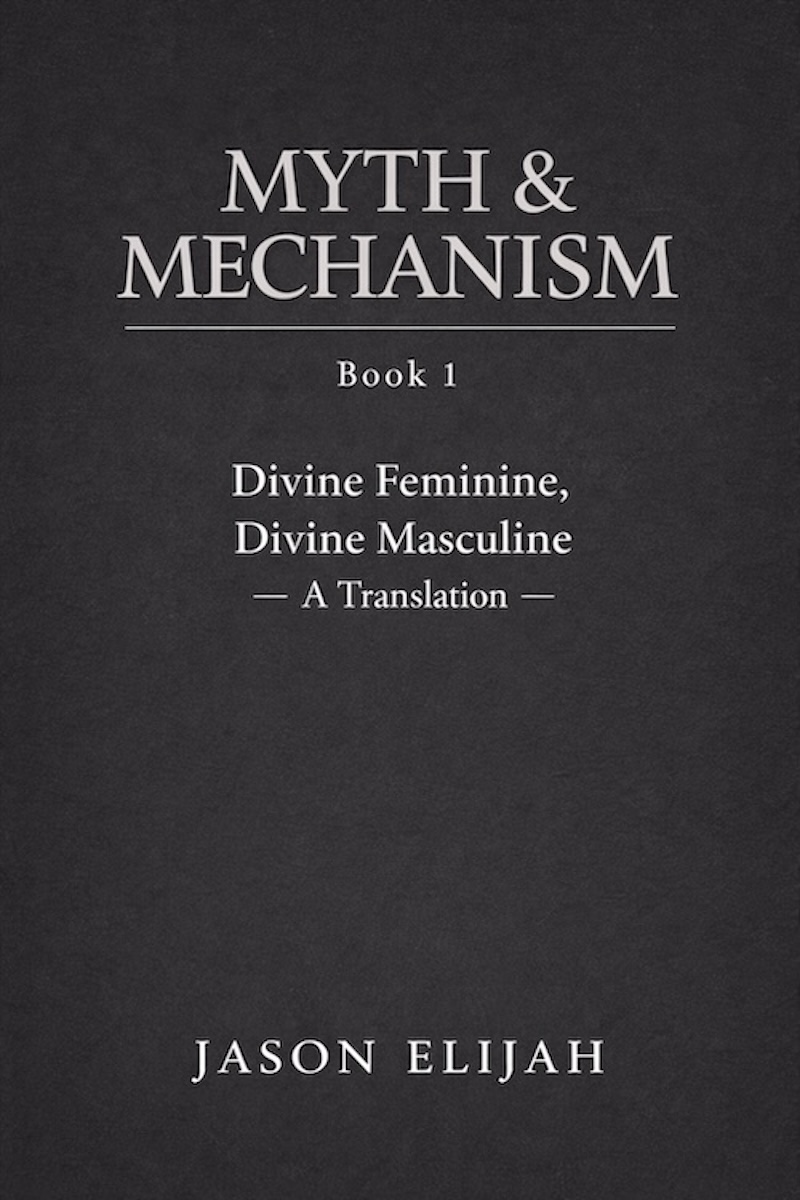
Myth & Mechanism, Book 1
Divine Feminine, Divine Masculine - A Translation
Something ancient is happening inside modern language.Available on Amazon ↗
About the book
Myth & Mechanism, Book 1 enters the language many people now use almost instinctively: Divine Feminine, Divine Masculine, polarity, union, shadow, balance. It recognizes why this language has such force. In times of confusion, strain, grief, and dislocation, symbolic language often arrives faster than psychology. It does not merely explain. It gives experience a shape and a sense of meaning.
That is part of its beauty, and part of its danger. This book does not approach mythic language as foolish, fake, or disposable. It treats it as powerful. Symbolic language can help people feel seen. It can help them name what technical language leaves cold. It can restore a sense of coherence when ordinary explanations no longer land in the body. But when that same language goes untranslated, it begins to do more than comfort. It starts to direct. It assigns roles, values, and identities before a person has fully asked what is actually happening.
This is where the book makes its quiet intervention. Rather than arguing against the language of the Divine Feminine and Divine Masculine, it slows that language down. It holds each symbol still long enough to ask what it is pointing to in lived human experience. What is intuition without mystique. What is containment. What is structure. What is receptivity. What is leadership. What is collapse. What is control. What is care. What looks cosmic at first becomes more intimate, more specific, and more useful when returned to the body, the nervous system, and the conditions in which people actually live.
The movement of the book is both respectful and exacting. It first lets the myth speak in its own voice. The Divine Feminine appears as flow, softness, embodiment, receptivity, intuition, creation, and mystery. The Divine Masculine appears as clarity, direction, protection, structure, steadiness, and action. The point is not to mock these images or strip them of beauty. The point is to understand why they resonate so strongly before asking what happens when they begin to rule rather than refer.
From there, the translation deepens. What has been called feminine becomes recognizable as emotional attunement, interoception, sensitivity to context, relational awareness, and responsiveness under different conditions of safety and stress. What has been called masculine becomes recognizable as executive function, boundary-setting, impulse regulation, responsibility, decisiveness, and the ability to stay organized under pressure. The symbolic language is not simply rejected. It is brought back into contact with lived experience.
One of the book’s strongest insights is that every one of these capacities can bend under fear. Sensitivity becomes overwhelm. Receptivity becomes self-erasure. Structure becomes rigidity. Leadership becomes control. A symbol that once sounded healing can begin to hide a trauma pattern, a power arrangement, or a learned adaptation. This is why the book pays such close attention to shadow forms, hidden hierarchies, and the moment a symbol quietly stops serving understanding and starts recruiting obedience.
Myth & Mechanism, Book 1 is especially alert to the moral and relational uses of this language. It examines how “the feminine” can become a command to soften, receive, endure, or surrender when what is actually needed is clarity, refusal, or self-protection. It examines how “the masculine” can become a justification for dominance, emotional withdrawal, pressure, or ownership while sounding noble, sacred, or mature. Again and again, the book asks the question that matters most: does this language leave a person more present, more free, and more able to choose, or smaller, foggier, and easier to direct?
As the argument widens, the book also enters the mythology of polarity and sacred union. Here too it resists both contempt and enchantment. It understands why people long for stories of complement, balance, and completion. But it also shows how quickly beauty can become hierarchy when roles harden, autonomy shrinks, and a living relationship is asked to conform to a ready-made myth. What emerges instead is a more grounded vision: integration without myth, and relationship without surrendering discernment.
What makes this book distinctive is its refusal of two equal temptations. It does not hand itself over to spiritual inflation, and it does not retreat into sterile reduction. It allows myth to remain meaningful while insisting that meaning must never outrun comprehension. The result is not disenchantment. It is literacy.
The book’s deeper promise is simple: symbolic language can remain beautiful.
It just cannot be allowed to think for you.